
Concept Design
Oldham Cultural Garden Public Realm
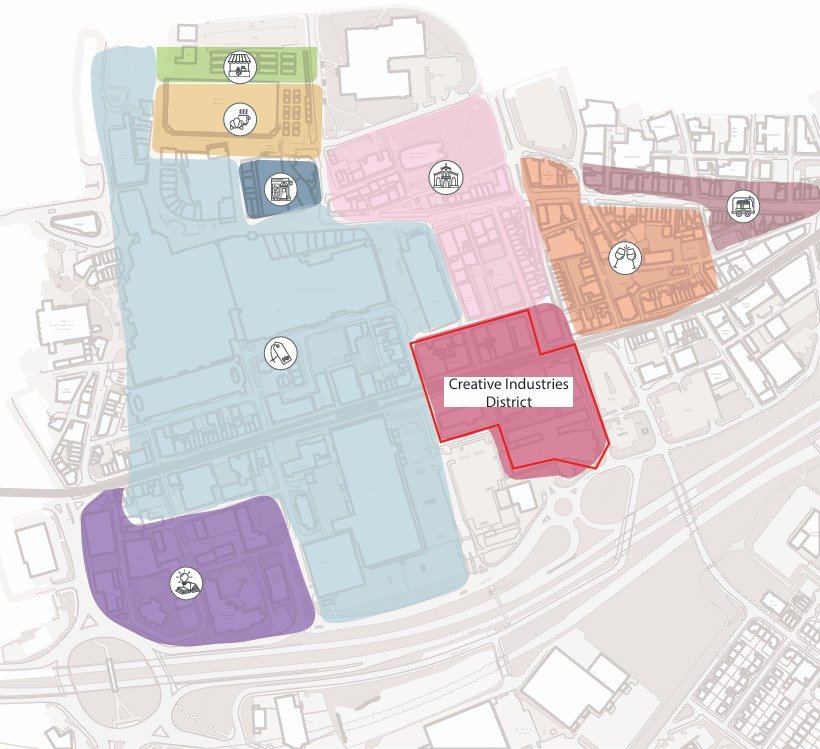
The Oldham Cultural Garden forms the centerpiece of the proposed Creative Industries District, transforming an underutilized urban space into a vibrant public destination that celebrates culture, creativity and community.
Project Overview.
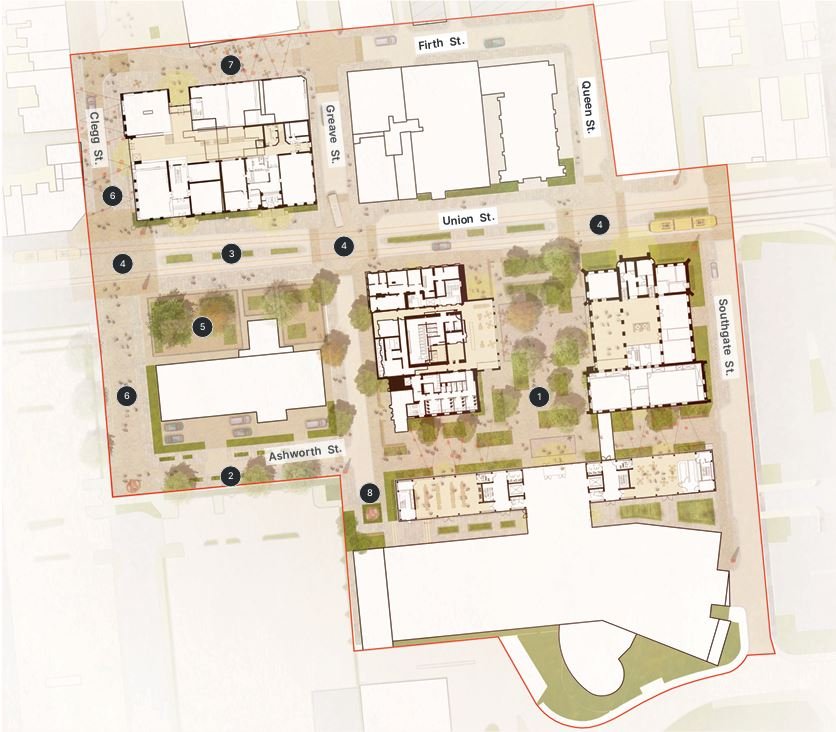
The landscape strategy strengthens the relationship between heritage buildings, arts venues and public spaces by creating an inclusive, flexible and people-focused sunken garden that supports cultural events, everyday recreation and social interaction.
The masterplan establishes a greener and more welcoming public realm while reinforcing the district as a catalyst for urban and cultural regeneration.
Key Landscape
Features.
- Cultural Garden
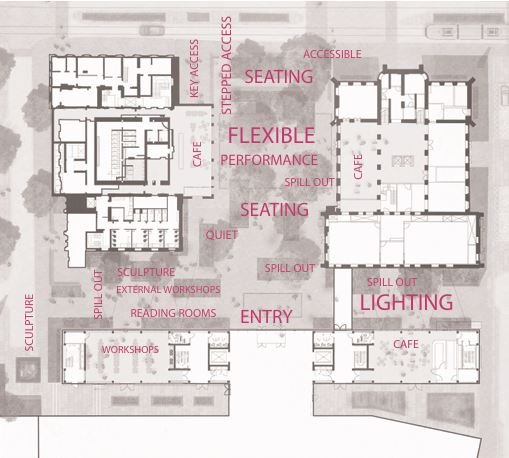
- Flexible outdoor performance space
- Sculpture garden
- Gallery gardens
- Arrival plaza
- Planted terraces
- Café terraces and spill-out spaces
- External workshop areas
- Reading gardens
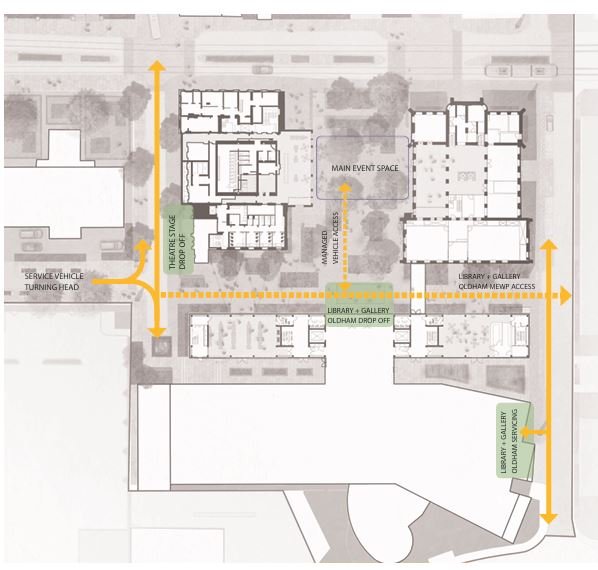
- Service and event access
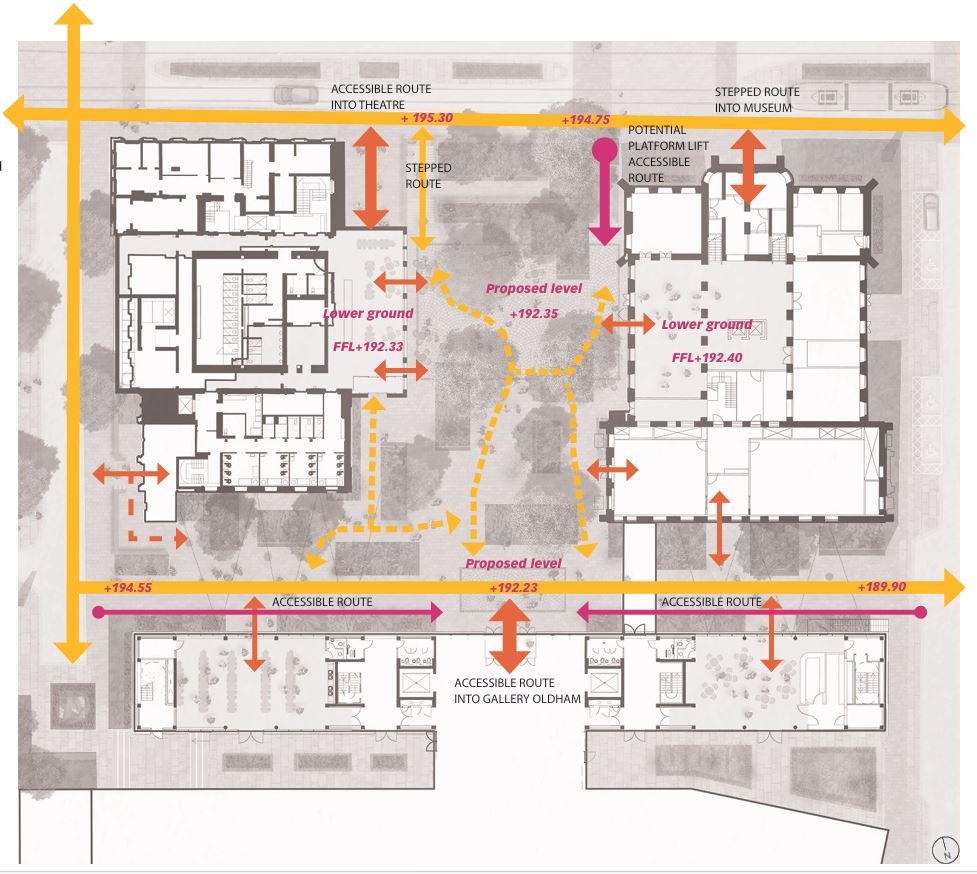
- Inclusive pedestrian routes
- Accessible landscape design
- Green infrastructure corridors
- Sustainable streetscape improvements
- Urban tree planting
- Public art integration
- Feature landscape lighting
- Event space for cultural activities
- Improved pedestrian crossings
Project Information.
-
Project Name
Oldham Cultural Garden Public Realm
-
Location
Oldham, Greater Manchester, United Kingdom
-
Sector
Urban Regeneration & Public Realm
-
Project Type
Cultural Landscape & Public Open Space
-
Status
Concept Design
-
Issue Date
April 2022
-
Scope of Work
Public Realm Master Planning, Landscape Architecture, Cultural Placemaking, Streetscape Design, Green Infrastructure, Pedestrian Connectivity, Urban Greening, Accessibility, Public Space Design & Landscape Visualisation
Our Gallery.
Landscape Design.
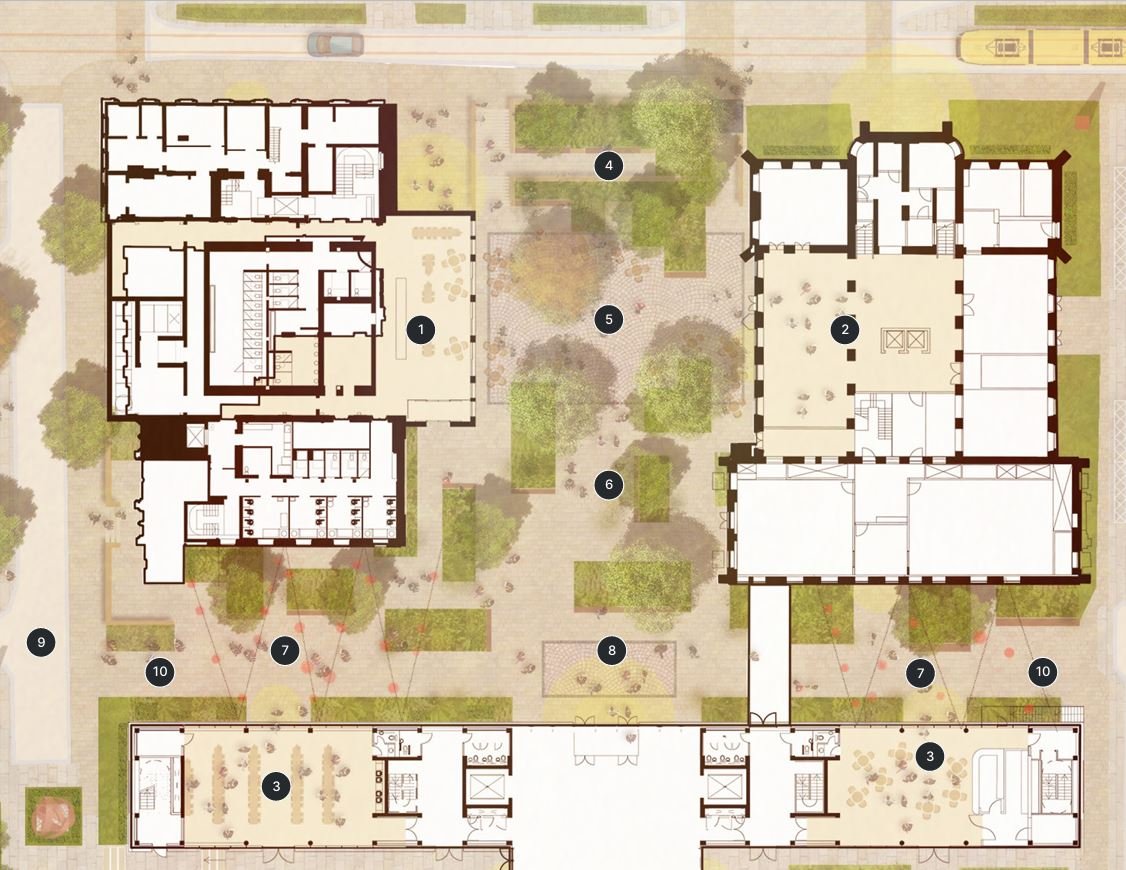
The landscape design introduces a sequence of interconnected outdoor spaces that accommodate a wide variety of activities throughout the day and evening.
Flexible performance spaces, sculpture gardens, café spill-out and informal seating create a dynamic public environment that encourages creativity and community engagement.
Tree planting, soft landscaping, sustainable streetscape improvements and high-quality public realm materials enhance the overall character while improving pedestrian comfort and connectivity.
Heritage &
Placemaking.
The proposal celebrates Oldham’s rich architectural and cultural heritage by integrating the landscape with surrounding historic buildings, including the Coliseum Theatre, Gallery Oldham, Library, Heritage and Arts Centre and Lyceum.
The Cultural Garden creates a flexible civic space capable of hosting performances, exhibitions, outdoor workshops, public art installations, markets and community events, strengthening the identity of the Creative Industries District and encouraging year-round public activity.
Sustainability
.
The project promotes sustainable urban regeneration through expanded green infrastructure, extensive tree planting, planted terraces, rainwater-sensitive streetscape interventions and enhanced biodiversity.
Improved pedestrian routes, accessible public spaces, reduced visual impact of parking and enhanced green corridors contribute to a healthier urban environment while encouraging walking, social interaction and active transportation throughout the district.